

Best Low Acid Coffee Beans for Sensitive Stomachs
Table of Contents
- What Makes Coffee Acidic (and Why It Irritates Your Stomach)
- How to Reduce Coffee Acidity: Roast, Origin, and Processing
- The Best Low Acid Coffee Beans for Sensitive Stomachs
- Cold Brew Coffee and Stomach Sensitivity: A Gentler Brewing Method
- Best Coffee for Acid Reflux: What to Look For in a Bean
- Brewing Tips to Make Any Coffee Gentler on Your Stomach
- Frequently Asked Questions
Last Updated: October 7, 2026
What Makes Coffee Acidic (and Why It Irritates Your Stomach)
If your morning cup leaves you with a burning feeling or a churning gut, acid is usually the first suspect. At First and Ten Coffee, we roast beans to order, so we think a lot about how roast and origin change what ends up in your mug.
Coffee acidity is the concentration of natural acids, such as chlorogenic and citric acid, that develop in the bean and affect both flavor and how your stomach reacts. The lower the acid content, the gentler the cup.
Acidity vs. Acid: What the pH Scale Actually Tells You
The pH scale runs from 0 to 14, and lower numbers mean more acid. Most coffee lands between 4.85 and 5.10, making it mildly acidic compared to stomach acid, but even a mildly acidic drink can irritate a sensitive stomach lining.
Here is the part most guides skip: the acids you taste and the acids that bother your gut are not always the same.
Caffeine and Other Compounds That Trigger Discomfort
Caffeine is a separate irritant from acid. It stimulates gastric acid production and relaxes the valve between your stomach and esophagus, which is why it can worsen reflux even in a low-acid brew.
Other compounds, including certain oils and bitter alkaloids that develop during roasting, can also play a role. A common mistake is assuming cutting acid alone fixes everything; many people need to adjust caffeine, roast level, and brewing method together.
How to Reduce Coffee Acidity: Roast, Origin, and Processing
You can reduce coffee acidity three ways: choose a darker roast, pick beans grown at lower altitudes or processed to mute brightness, and brew with methods that extract fewer acids. Roast level does the most work.
Dark Roast Coffee Acidity: Why Longer Roasts Taste Smoother
Dark roast coffee acidity is lower than light roast because longer roasting breaks down many of the acids responsible for bright, tart flavors, transforming them into deeper, caramelized notes that taste smoother and rounder.
A medium or medium-dark roast often hits the sweet spot for sensitive stomachs, keeping enough flavor complexity while cutting the sharp edge of light roasts. If light, fruity single-origin coffee makes your stomach rebel, roast level is the first thing to change.
The Best Low Acid Coffee Beans for Sensitive Stomachs
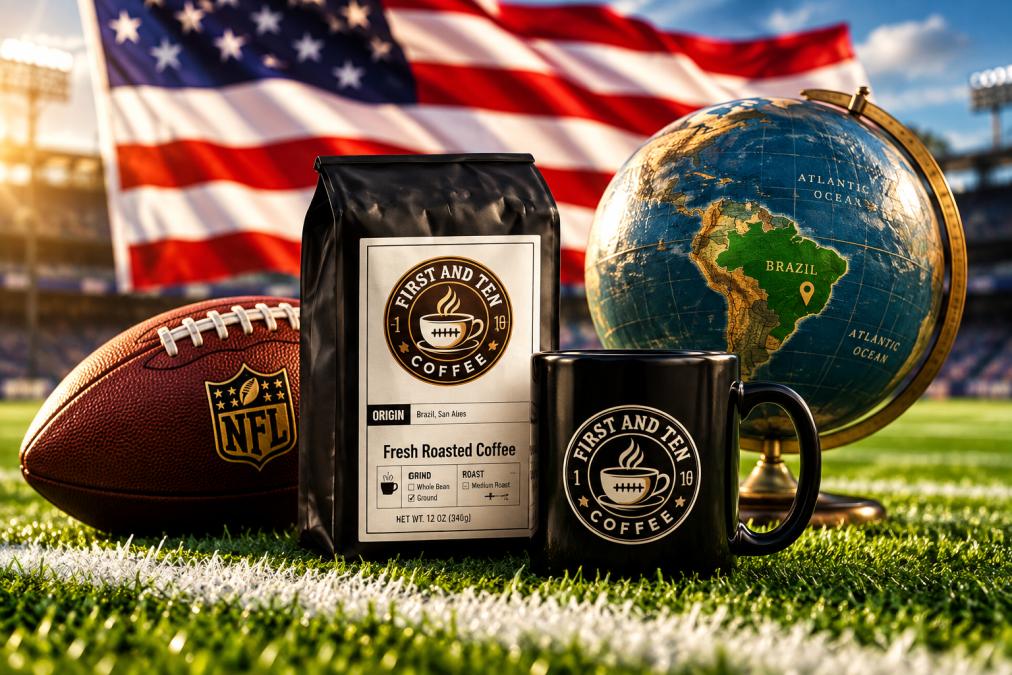
Our top pick for sensitive stomachs is the First and Ten Coffee Brazil Santos, a medium roast with a smooth, elegant cup and gentle cocoa notes that goes easy on digestion.

How We Selected These Beans
Most "best low acid coffee" lists rank beans by taste alone and never say how the picks were made. We used five criteria you can check yourself on any bag:
- Roast level. We favored medium, medium-dark, and dark roasts, since longer roasting degrades many of the acids tied to bright, tart flavors.
- Processing method. Washed and pulped natural lots tend to cup cleaner and less astringent than heavily fermented naturals.
- Growing altitude. Lower-elevation beans generally carry less perceived brightness than high-altitude lots.
- Caffeine status. We flagged which picks are full-caffeine and which are decaffeinated, because caffeine is a separate irritant from acid.
- Freshness and format. We noted roast-to-order availability and whether each bean comes whole or ground.
What "Low Acid" Does and Does Not Mean on a Label
"Low acid" is not a regulated term on coffee packaging, and most roasters do not publish measured pH or titratable acidity for a given lot, so a bag can say "low acid" with no test data behind it. What you can verify is roast level, origin, processing method, and caffeine content, which is why we lead with those traits instead of a marketing claim.
The Lineup, Compared
| Coffee | Roast | Tasting Profile | Bag Size | Price | Price per Oz | Best For |
|---|---|---|---|---|---|---|
| Brazil Santos | Medium | Smooth, cocoa | 12 oz | $21.99 | ~$1.83 | Everyday sensitive-stomach sipping |
| Honduras | Medium-dark | Caramel, spice, brown sugar | 12 oz | $21.99 | ~$1.83 | Richer flavor without sharpness |
| Sumatra | Medium | Earthy, dark chocolate, syrupy body | 12 oz | $21.99 | ~$1.83 | Low perceived brightness |
| Peru Decaf | Medium | Caramel, smooth, citrus | 12 oz | $21.99 | ~$1.83 | Caffeine sensitivity |
| Bali Blue | Medium-dark | Dark chocolate, molasses | 12 oz | $21.99 | ~$1.83 | Deep, mellow cups |
| Uganda | Light-medium | Floral, chocolate, dark fruits | 12 oz | $21.99 | ~$1.83 | Mild acidity with complexity |
| Bali Coffee Pods | Medium-dark | Dark chocolate, molasses | 12 ct | $19.99 | ~$1.67 per pod | Convenience with a gentle roast |
Prices reflect the roaster's listed pricing as of October 2026 and can change; check the current listing before ordering.
The Honduras is our pick when you want more depth: a medium-dark roast with caramel and brown sugar notes, where the darker roast tames sharper acids while the fully washed process keeps the cup clean.
If caffeine is your trigger, the Peru Decaf uses the Swiss Water Process to remove caffeine without harsh chemicals, and its caramel and citrus profile stays smooth.
How to Read This List Against Your Own Symptoms
If your discomfort comes on fast and feels like burning, roast level and brew method are the first levers to pull. If it feels more like jitteriness, racing pulse, or reflux an hour later, caffeine is the likely culprit, and a decaf pick will do more than a darker roast. Many people need to change two variables at once, such as moving to a medium-dark roast and cutting back to one cup before noon.
Cold Brew Coffee and Stomach Sensitivity: A Gentler Brewing Method
Cold brew coffee and stomach sensitivity go together better than most people expect, because cold water extracts fewer of the acids that cause irritation. Using time instead of heat produces a noticeably smoother, less sharp cup.
Cold brew typically steeps 12 to 18 hours at room temperature or in the fridge, and the lower extraction temperature means fewer acidic compounds make it into your glass.
You can make cold brew with any of our beans, though the Sumatra and Bali Blue work especially well because their syrupy, low-brightness profiles shine when brewed cold. For guidance on safe brewing temperatures and water quality, the CDC guidance on safe drinking water is a useful reference.

Best Coffee for Acid Reflux: What to Look For in a Bean
The best coffee for acid reflux is a dark or medium-dark roast, low in perceived brightness, ideally decaffeinated if caffeine is a trigger. Those three traits do more for reflux comfort than any single label claim.
When you shop, look for these markers:
- Roast level: Medium-dark or dark, which reduces sharp acids
- Processing: Washed or pulped natural, which tends to produce cleaner, less astringent cups
- Origin altitude: Lower-grown beans often carry less brightness than high-altitude ones
The NIH information on gastroesophageal reflux notes that both caffeine and acid can contribute to reflux symptoms, which is why addressing both at once tends to work better than chasing a single fix. Our Peru Decaf and Honduras are the two we would point reflux-prone drinkers toward first.

Keep in mind that "low acid" is not a regulated term on coffee packaging, so you cannot always trust the label alone. Roast level and caffeine content are the details you can verify.
Brewing Tips to Make Any Coffee Gentler on Your Stomach
You can make almost any coffee gentler by adjusting how you brew it, even before you change the bean. Small shifts in grind, temperature, and ratio often deliver a bigger comfort improvement than switching brands. Below are three reproducible starting recipes, plus the reasoning behind each variable, so you can adjust one thing at a time and tell what worked.
Why Brewing Changes the Cup
Hot water and time pull acids, oils, and bitter compounds out of the grounds at different rates. Finer grinds expose more surface area and extract faster, which is why an over-extracted cup tastes sharp and drying. Cooler water and shorter contact time extract less of everything, including the acids that bother a sensitive stomach. The goal is not a weak, sour cup but a balanced one that tastes smooth rather than biting.
Recipe 1: Gentle Hot Pour-Over (One 10 oz Cup)
- Coffee: 18 grams (about 2.5 tablespoons) of a medium or medium-dark roast
- Water: 300 grams (about 10 oz), heated to 195 degrees Fahrenheit
- Grind: Medium-coarse, roughly the texture of table salt
Pour just enough water to saturate the grounds and wait 30 seconds. Then pour in slow circles, finishing the pour by about 2:00, and let it drain through. If the cup tastes sharp or sour, grind slightly coarser or drop the water temperature by 5 degrees. If it tastes hollow and watery, grind a touch finer.
Recipe 2: Cold Brew Concentrate
- Coffee: 100 grams (about 1 cup) of coarsely ground beans
- Water: 800 grams (about 27 oz) cold or room-temperature water
- Ratio: 1:8 concentrate
Stir once at the start, then leave it alone. Strain through a fine-mesh sieve lined with a paper filter. Dilute the concentrate 1:1 with water or milk before drinking, or stronger to taste. Cold extraction pulls fewer of the acids that heat releases, which is why many sensitive drinkers who cannot handle hot drip find cold brew sits comfortably. Refrigerate and use within about a week.
Recipe 3: Lower-Acid Drip
- Coffee: 1 level tablespoon per 6 oz of water (a standard drip ratio)
- Water temperature: 195 to 200 degrees Fahrenheit if your machine allows adjustment
- Grind: Medium
If your machine has no temperature control, use a coarser grind and avoid letting brewed coffee sit on a hot plate, which keeps cooking it and pulls out more bitter compounds.
Variables Worth Testing One at a Time
- Grind size. Coarser grinds extract more slowly and pull out fewer sharp acids. This is usually the single biggest lever.
- Water temperature. Water just off the boil, around 195 to 205 degrees Fahrenheit, extracts more gently than a rolling boil.
- Brew time. A shorter extraction pulls fewer acids into the cup, but too short and the cup turns sour.
If you want a starting point, begin with a medium-dark roast, a medium-coarse grind, 195-degree water, and a 1:16 coffee-to-water ratio, then adjust one variable at a time until you find what your stomach tolerates. Keep a short log of what you changed and how you felt; the pattern is often clearer over a week than after a single cup.
Frequently Asked Questions
What coffee bean is the least acidic?
Beans grown at lower altitudes and processed with methods like wet-hulling tend to have lower acidity. Sumatra beans, for example, are known for their medium acidity and syrupy body. Darker roasts also reduce perceived acidity because the roasting process breaks down some of the acids. Single-origin beans from Brazil or Bali, roasted to a medium-dark level, are often good choices for people seeking low acid coffee.
Does dark roast coffee have less acid than light roast?
Yes, dark roast coffee generally has less acid than light roast. The longer roasting time breaks down chlorogenic acids and other compounds responsible for acidity. This is why dark roast coffee acidity is lower and the flavor tastes smoother and less bright. If you are sensitive to acid, choosing a medium-dark or dark roast is one of the simplest ways to reduce irritation without changing your brewing routine.
Is cold brew easier on a sensitive stomach?
Cold brew coffee and stomach sensitivity often go together because cold brewing extracts fewer acids than hot water. The lower brewing temperature means fewer acidic compounds make it into your cup, resulting in a smoother, less irritating drink. If you enjoy cold brew, try making it at home with a coffee-to-water ratio of 1:8 and steeping for 12-16 hours. This method works well with low acid coffee beans.
How can I make coffee gentler on my stomach?
To make coffee gentler, start with low acid coffee beans like a dark roast or a single-origin Sumatra. Use a cold brew or pour-over method with a paper filter, which traps some of the oils and acids. Avoid drinking coffee on an empty stomach, and keep your brew time and water temperature consistent. Adding a splash of milk or a pinch of salt can also neutralize some acidity. These small changes can make a noticeable difference.
Does low-acid coffee help with acid reflux?
Low-acid coffee may help with acid reflux because it contains fewer of the compounds that relax the esophageal sphincter and trigger symptoms. While no coffee is completely acid-free, choosing dark roasts, cold brew, or beans like Sumatra can reduce the amount of acid your stomach produces. If you have severe reflux, talk to your doctor about whether any coffee fits your diet.