

How to Store Coffee Beans for Freshness
Last Updated: October 23, 2026
Quick Summary
How to store coffee beans for freshness involves keeping them in an airtight container in a cool, dark place away from heat, light, and moisture. An opened bag stays at peak freshness for about one week, but proper storage extends that window to three to four weeks, preserving 50-70% more flavor than poor storage methods.
- Store beans in a cool, dark pantry or cabinet between 55-70°F, away from stoves and sunlight.
- Use airtight containers made of glass, ceramic, or stainless steel to minimize oxygen exposure.
- An opened bag of coffee stays at peak freshness for about one week when stored properly.
- Freeze beans in portioned bags for long-term storage, but thaw while sealed to prevent moisture damage.
- Buy smaller quantities more frequently rather than stockpiling to keep beans fresher longer.
Table of Contents
- Why Proper Storage Matters for Coffee Freshness
- How Long Does Coffee Stay Fresh After Opening
- Step 1: Choose the Right Storage Location
- Step 2: Select the Best Coffee Storage Containers
- Step 3: Minimize Oxygen, Moisture, and Light Exposure
- Can You Freeze Coffee Beans to Extend Freshness
- Recognizing Signs of Stale Coffee Beans
- Storage Tips by Purchase Size and Household Use
- Frequently Asked Questions
Why Proper Storage Matters for Coffee Freshness
Understanding how to store coffee beans for freshness determines whether your morning brew tastes vibrant or flat. Coffee is surprisingly fragile.
Think of freshly roasted beans like fresh produce. According to Starbucks' home storage guidance, an opened bag of coffee typically stays at peak freshness for about one week.
At First and Ten Coffee, we roast beans to order specifically because we know freshness matters. Our approach ensures you receive beans at their peak, but what happens next is up to you. Proper storage extends that peak window significantly. Poor storage wastes what we've worked to deliver.
The stakes are real. A bag stored poorly loses 30-50% of its flavor potential within two weeks. A bag stored correctly stays vibrant for three to four weeks.
How Long Does Coffee Stay Fresh After Opening
An opened bag of coffee typically stays at peak freshness for about one week when stored properly in a cool, dark place. After that first week, flavor degradation accelerates noticeably.
Here's the timeline:
- Days 1-7: Peak flavor and aroma. This is your window for the best possible cup.
- Days 8-14: Noticeable decline in brightness and complexity. Still drinkable, but the magic is fading.
- Days 15-30: Significant flavor loss. The coffee tastes flat and one-dimensional.
- Beyond 30 days: Stale coffee. Aroma is nearly gone. Flavor is muted and dull.
This timeline assumes proper storage. Without it, the window shrinks dramatically. Beans stored near heat or in clear containers lose peak freshness in just two to three days.
The roast date matters too. Beans roasted yesterday are fresher than beans roasted three weeks ago.
Step 1: Choose the Right Storage Location
Your storage location determines how well your beans resist degradation. The wrong spot, near a stove, window, or sunny counter, accelerates flavor loss.
The ideal location is:
- Cool: Between 55-70°F is optimal. Room temperature works fine. Avoid anywhere warmer.
- Dark: Direct sunlight breaks down flavor compounds. A closed cabinet or pantry beats a counter.
- Stable: Temperature fluctuations stress the beans. A pantry with consistent conditions beats a kitchen that heats up during cooking.
- Away from strong odors: Coffee absorbs smells from its surroundings. Store away from spices, cleaning products, or anything pungent.
A dark pantry is ideal. It's cool, stable, and protected from light. The back of a kitchen cabinet works too.
Heat is the enemy. A bean stored near an oven, stove, or sunny window loses flavor rapidly. The roasting process already subjected the beans to high heat.
Light exposure degrades coffee just like it degrades other foods.
Step 2: Select the Best Coffee Storage Containers
The right container locks in freshness. The wrong one lets air in and flavor out.
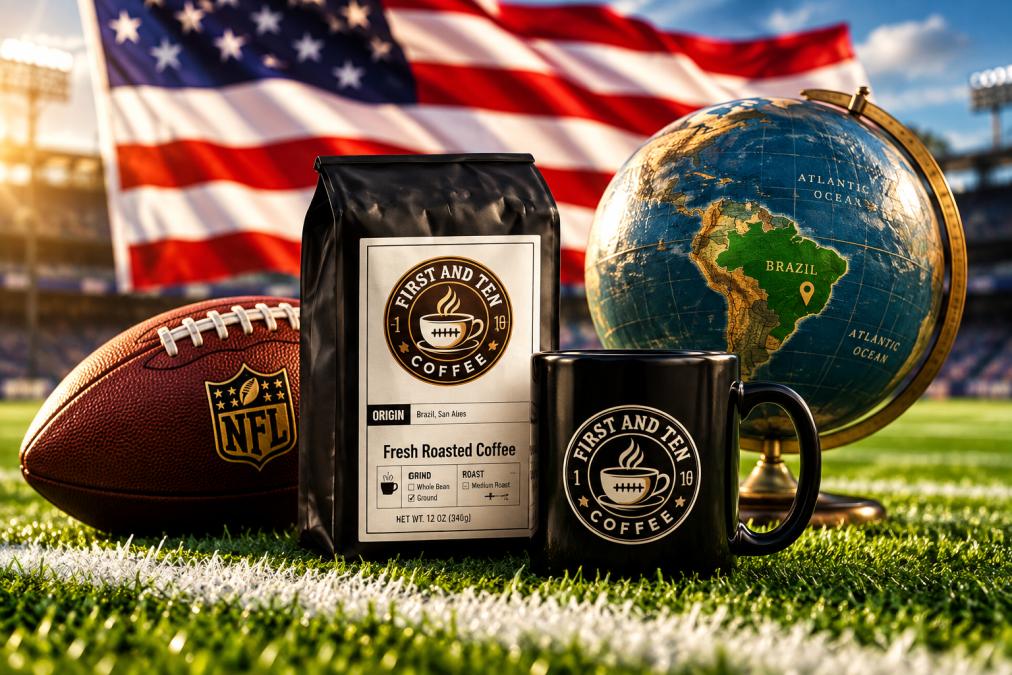
Your container needs three things: an airtight seal, opacity, and food-safe material.
Airtight Containers and One-Way Valves
An airtight container is non-negotiable. It minimizes oxygen exposure, which is the primary driver of flavor loss.
Many coffee-specific containers include a one-way valve. This valve lets carbon dioxide (which beans release after roasting) escape without letting oxygen back in. It's a smart design.
One-way valves are helpful but not essential. A simple airtight seal works fine. The key is eliminating unnecessary air exchange. Every time you open the container, you introduce fresh oxygen.
Container Materials That Protect Flavor
The material matters. Glass, ceramic, and stainless steel all work well. They don't absorb odors or leach flavors.
Opaque containers beat clear ones every time. Light exposure degrades coffee. If you like seeing your beans, accept that you're trading freshness for aesthetics.
If you transfer beans to a different container, ensure it has the same protection.
Size matters too. A half-full container means more air space, which means more oxygen contact. Use a container sized for the amount of beans you're storing.
Step 3: Minimize Oxygen, Moisture, and Light Exposure
Three enemies damage coffee: oxygen, moisture, and light. Your storage strategy should minimize all three.
Oxygen is the primary culprit. It triggers oxidation, which breaks down flavor compounds.
Moisture invites mold and accelerates staling. Store beans in a dry environment.
Light degrades coffee through photodegradation. UV light breaks down aromatic compounds.
Humidity matters too. A humid kitchen cabinet is worse than a dry one.
Store beans away from your stove, oven, and any heat source. Heat accelerates every degradation process.
Can You Freeze Coffee Beans to Extend Freshness
Freezing works. It genuinely extends freshness, but only if you do it correctly. Improper freezing introduces moisture, which damages beans faster than leaving them at room temperature.
The science is simple: cold slows chemical reactions. Oxidation happens more slowly at freezing temperatures. Beans frozen properly stay fresher longer than beans stored at room temperature.
But here's what most guides get wrong: freezing and thawing repeatedly is worse than not freezing at all. Condensation forms when cold beans warm up.
Portioning and Packaging for Freezer Storage
The key to freezer success is portioning. Freeze only what you'll use in the next month or two. This eliminates repeated freezing and thawing.
Here's the process:
- Portion your beans. Divide them into weekly or bi-weekly amounts. Use small bags or containers.
- Remove air. Squeeze out excess air from bags or use a vacuum sealer. Air introduces oxygen, which defeats the purpose.
- Double-bag if needed. An outer freezer bag plus the original sealed bag adds protection against freezer burn and moisture.
- Label with the date. You need to know when you froze them.
- Store in the coldest part of your freezer. The back of the freezer maintains more consistent temperature than the door.
Don't freeze in the original bag unless it's vacuum-sealed.
Thawing and Using Frozen Beans
Thawing is where most people fail. Bring frozen beans to room temperature while still sealed in their bag. This prevents condensation from forming on the beans.
Here's the right way:
- Remove the bag from the freezer.
- Leave it sealed and unopened while it reaches room temperature. This takes 30-60 minutes depending on portion size.
- Open the bag only after it's fully thawed. Opening a cold bag introduces moisture.
- Grind and brew immediately after opening.
Don't thaw in the refrigerator. The temperature fluctuation creates condensation. Don't leave beans on the counter overnight before brewing. Thaw and brew the same day.
Frozen beans taste as good as fresh beans when thawed correctly. Thaw incorrectly, and you've wasted the effort. The difference comes down to moisture management.
Recognizing Signs of Stale Coffee Beans
Stale coffee tastes flat and one-dimensional. The aroma fades. The brightness disappears.
Aroma is the first indicator. Fresh beans smell vibrant and complex. Stale beans smell muted and dull.
Visual cues matter too. Fresh roasted beans have an oily sheen (depending on roast level).
Taste is the final test. Brew a cup. Stale coffee tastes thin and lacks complexity. Bright, fruity, or chocolatey notes disappear.
The timeline varies based on storage. Beans stored poorly show signs of staleness within two weeks.
Storage Tips by Purchase Size and Household Use
How much you buy and how often you brew should influence your storage strategy.
Light users (one or two cups daily):
- Buy a half-pound at a time. It's consumed within two weeks, well within the peak freshness window.
- Store in the original bag in a cool, dark cabinet.
- No freezing needed. The consumption rate keeps beans fresh.
Regular users (three to five cups daily):
- Buy a one-pound bag every two weeks.
- Store half in the original sealed bag. Portion the other half into a smaller airtight container for daily use.
- This approach minimizes air exposure to the main supply while keeping daily beans accessible.
- Consider freezing a backup pound if you want freshness insurance.
Heavy users (five or more cups daily):
- Buy two to three pounds every two weeks.
- Store the main supply in an airtight container in a cool, dark place.
- Portion one week's worth into a separate container for daily grinding.
- Freeze one pound for backup. Thaw and use as needed.
Subscription users (like those who order from First and Ten Coffee):
- You receive fresh-roasted beans on a predictable schedule. This is ideal because beans arrive at peak freshness.
- Freeze upcoming deliveries if you prefer to skip a week. Thaw one week before you want to brew.
- Store current beans in their original bag or an airtight container.
- The roast date on every bag tells you exactly how fresh your beans are.
Travel complicates things. If you're away for a week or two, freeze your beans before you leave. Thaw them the day before you return.
The core principle is simple: consume beans within their peak window or freeze them for later.
Learning how to store coffee beans for freshness requires attention to storage fundamentals: location, container, and protection from oxygen, light, and heat.
At First and Ten Coffee, we roast beans to order and ship them at peak freshness. Your job is to protect that freshness from the moment they arrive. Store them in an airtight container in a cool, dark place, and you'll taste the difference every morning. That's how you get the most from freshly roasted, carefully sourced beans.
Frequently Asked Questions
How long does coffee stay fresh after opening the bag?
An opened bag of coffee typically stays at peak freshness for about one week. After that period, the beans begin to lose their aroma and flavor as they oxidize. To maximize freshness, store opened beans in an airtight container in a cool, dark place away from heat and direct sunlight. The roast date on your bag helps you track when your beans are at their prime.
What is the best container for storing coffee beans?
The best storage containers are airtight, opaque, and food-safe. Look for containers with one-way valves that release carbon dioxide while preventing oxygen from entering. Glass jars with airtight seals, ceramic containers, or vacuum-sealed bags all work well. Avoid clear containers that expose beans to light, and skip paper bags or containers that don't seal completely. The goal is to minimize air exposure and protect beans from moisture and odors.
Can you freeze coffee beans to keep them fresh longer?
Yes, freezing can extend coffee bean freshness beyond room temperature storage. Freezing slows oxidation and flavor degradation, making it useful for bulk purchases or long-term storage. To freeze effectively, portion beans into small amounts using freezer bags or airtight containers to minimize air exposure. Thaw only what you need, and avoid repeated freezing and thawing cycles, which can introduce condensation and damage flavor. Many coffee enthusiasts freeze beans in weekly portions for convenience.
What are the signs that coffee beans have gone stale?
Stale coffee beans show several telltale signs: a flat or muted aroma (fresh beans smell vibrant and rich), a dull appearance compared to the glossy sheen of fresh roasted beans, and a hollow or thin taste when brewed. The beans may also lose their original color, becoming lighter or more faded. If your brewed coffee tastes flat, bitter, or lacks the complexity you expect, the beans have likely oxidized too much. Checking the roast date helps you know when beans are approaching their peak freshness window.
