

Is Coffee Subscription Worth It? A Realistic 2026 Guide
Table of Contents
- What Makes a Coffee Subscription Worth It
- Coffee Subscription vs Grocery Store Beans: The Real Cost Comparison
- Freshness, Quality, and Roast Dates: What You Actually Get
- How to Choose a Coffee Subscription That Fits Your Routine
- Best Coffee Subscription Services: Selection Criteria and Trade-Offs
- Common Subscription Traps and How to Avoid Them
- Is a Coffee Subscription Right for You?
- Frequently Asked Questions
Last Updated: October 11, 2026
What Makes a Coffee Subscription Worth It
A coffee subscription worth it depends on how much you value freshness, convenience, and variety against cost. The real question is whether it aligns with your specific routine and preferences.
Subscriptions deliver the most value for people who care about freshness. Roasted-to-order beans arrive at peak flavor within days of roasting, something grocery store bags cannot match. Coffee also shows up automatically, eliminating last-minute trips.
A subscription is only worth it if you drink enough coffee to justify the cost. A casual drinker going through half a bag monthly won't break even versus warehouse bulk. A daily enthusiast brewing two cups every morning? That's where subscriptions make financial and flavor sense.
Coffee Subscription vs Grocery Store Beans: The Real Cost Comparison
Grocery store bags cost less upfront but sit on shelves for weeks or months, losing flavor and aroma before reaching your home.
Grocery store bags lose measurable quality after 2-3 weeks post-roast. Subscription services ship within days of roasting, preserving flavor complexity and richness.
Bag size and yield. A 12-ounce bag yields roughly 15-18 cups. A 1-pound bag yields approximately 45 cups. Larger bags lower per-cup cost but increase staling risk if you don't drink fast enough.
Shipping costs and frequency. Subscription shipping varies. A monthly subscription with shipping adds a meaningful difference for budget-conscious buyers.
Actual cost-per-cup math: Grocery store option: $10 bag (12 oz) = $0.67 per cup, $245 annually. Subscription option: $16 bag + $6 shipping = $22 monthly = $1.47 per cup, $176 annually (one bag monthly). The subscription saves money only if you drink one full bag monthly.
Waste and staling. If you waste 20% of every bag, your effective cost per cup rises by 25%. Subscriptions only win if their freshness advantage prevents you from discarding stale coffee.
Whole bean versus pre-ground. Whole bean stays fresh 2-3 weeks post-roast; pre-ground peaks for 1-2 weeks. Pre-ground subscriptions may require more frequent deliveries, increasing shipping costs.
The real value shift. The strongest case for subscriptions is flavor consistency, not price. You're paying for beans roasted within days of shipment, not sitting on a shelf. For people who notice and value that difference, the premium is justified.
Freshness, Quality, and Roast Dates: What You Actually Get
Roast date transparency separates serious subscriptions from commodity suppliers. Every bag should display the exact roast date, not a vague "best by" label.
Coffee peaks in flavor between 5-14 days post-roast. Whole beans stay fresher longer than pre-ground because grinding increases surface area exposed to oxygen. A whole bean bag roasted last week tastes noticeably better than pre-ground roasted two months ago.
Quality sourcing matters alongside freshness. Single-origin subscriptions provide traceability that bulk grocery coffee cannot match, helping you understand flavor differences between origins.
How to Choose a Coffee Subscription That Fits Your Routine
The best subscription matches your daily coffee volume, flavor preferences, and flexibility needs. The decision framework differs by buyer type.
For café drinkers: If you buy 3+ specialty coffees weekly at $5-7 each ($780-1,820 annually), a subscription ($180-240 annually) seems like a win. But café drinkers often value the ritual and social environment. A subscription only makes sense if you'll replace 2-3 café visits weekly with home brewing. Decision: Try a subscription only if you commit to brewing at home at least 4 days per week.
For grocery store coffee buyers (current source is supermarket bags):
You're accustomed to paying $8-12 per bag and accept that coffee is a commodity. A subscription at $15-20 per bag feels like a luxury upgrade. The real question is whether the freshness difference justifies the 50-100% price increase. Most grocery store buyers don't notice the difference between fresh and stale beans because they've never tasted truly fresh coffee. Decision: Request a sample or trial bag before committing to a subscription. If you taste a clear difference in flavor, brightness, or complexity compared to your usual grocery bag, the upgrade is worth it.
For coffee enthusiasts (you own a grinder, brew daily, care about origin and roast level):
You already understand the relationship between freshness, roast date, and flavor. A subscription aligned with your taste preferences (light roasts, single-origin, specific regions) delivers consistent value because you'll notice and appreciate the quality. You're also likely to finish bags before they stale and adjust your consumption to match delivery frequency. Decision: Prioritize subscriptions with transparent sourcing, roast date transparency, and the ability to customize roast selection. The premium is justified by consistency and traceability. Avoid subscriptions that force you to accept random selections or lock you into fixed roast profiles.
For occasional drinkers (you brew 2-3 times per week or less):
You face the staling problem more acutely than daily drinkers. A monthly bag will sit in your pantry for 4-6 weeks, degrading significantly by the time you finish it. A subscription designed for daily drinkers will leave you with stale coffee and wasted money. Decision: Only consider subscriptions that allow quarterly or bi-monthly delivery, or that offer smaller bag sizes (8 ounces instead of 12). Some specialty roasters sell 5-ounce sample bags specifically for light drinkers. Alternatively, buy fresh coffee from a local roaster in smaller quantities as needed, rather than committing to a subscription.
For convenience-focused buyers (you prioritize not running out over flavor optimization):
Your main pain point is remembering to buy coffee and discovering you're out mid-week. A subscription solves this by automating delivery. Price and flavor are secondary concerns. Decision: Choose a subscription with simple pause/skip controls and reliable delivery timing. You don't need a roaster with complex sourcing stories or flavor profiles; you need one that ships on schedule and doesn't require you to manage cancellations. Many mainstream subscriptions excel here. Prioritize customer service reviews that mention delivery reliability and ease of pausing.
Subscription flexibility checklist (applies to all buyer types):
Before signing up, verify these policies:
- Pause without penalty: Can you pause for one month without losing your account or paying a fee? (Most reputable services allow this.)
- Skip shipments: Can you skip a month and resume the next month? (This prevents oversupply.)
- Cancellation process: Can you cancel in under two minutes without a phone call or email exchange? (If not, it's a dark pattern.)
- Trial terms: Is there a trial period (typically 2-4 weeks) to test the service before full commitment? (Avoid services without trials.)
- Automatic renewal: Does the service auto-renew after a trial, or do you opt in to continue? (Auto-renewal is a red flag.)
- Refund policy: If you receive damaged or stale beans, will the service replace or refund without friction? (Check recent reviews.)
Best Coffee Subscription Services: Selection Criteria and Trade-Offs
Evaluating subscriptions requires comparing freshness guarantees, roast variety, sourcing transparency, and price structure side by side.
| Criteria | Why It Matters | What to Look For |
|---|---|---|
| Roast Date Transparency | Ensures beans arrive fresh | Printed date on every bag |
| Sourcing Information | Verifies quality and ethics | Farm names and processing methods |
| Customization Options | Matches your taste preferences | Flavor quizzes or manual selection |
| Pause/Skip Flexibility | Prevents forced purchases | Free pauses without penalties |
| Shipping Speed | Maintains peak freshness | Ships within 2-3 days of roast |
| Price Per Bag | Determines actual value | Compare to your consumption rate |
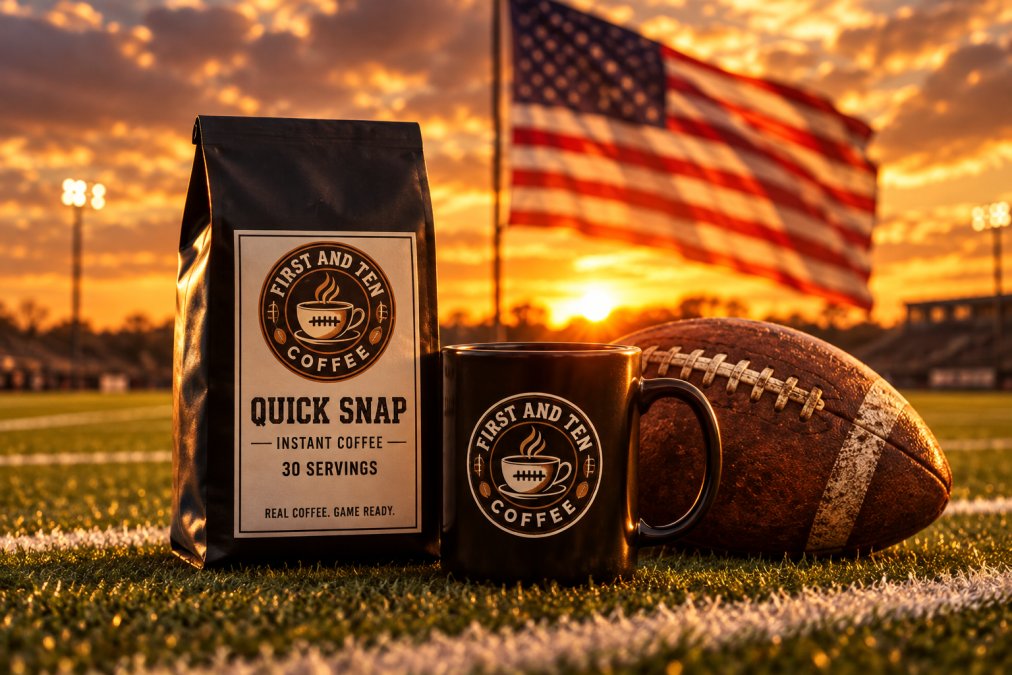
First and Ten Coffee stands out because every bag is roasted to order, meaning your coffee ships within days at peak freshness. The ordering process is straightforward, and you control delivery frequency without hidden restrictions. You choose from carefully sourced single-origin beans and thoughtful blends, each with clear roast dates and tasting notes.
The trade-off with premium subscriptions is always price. First and Ten Coffee offers premium quality, and you're paying for beans roasted specifically for you, not sitting on a shelf. That freshness difference translates directly into better flavor in your cup.
Common Subscription Traps and How to Avoid Them
Subscription services thrive on customer inertia. Many people continue paying for coffee they've stopped drinking simply because canceling feels like friction.
The most common trap is oversizing your subscription. You sign up for two bags monthly because the discount looks good, but you only drink one bag worth of coffee. The second bag sits in your pantry, goes stale, and you waste money. Start with one bag and upgrade only after you've confirmed you need more.
Another trap is the "automatic replenishment" model that ships coffee whether you've finished the previous bag or not. This creates stockpiles and forces you to manage cancellations instead of letting the service adapt to your needs. Subscriptions should work with your rhythm, not against it.
Some services hide their cancellation process deliberately. They make it easy to sign up but require phone calls or lengthy email exchanges to cancel. This is a deliberate dark pattern designed to reduce churn. Read reviews specifically about the cancellation experience before committing.
Is a Coffee Subscription Right for You?
A coffee subscription makes sense if you brew coffee at home most days and care about flavor quality. It doesn't make sense if you're primarily a café drinker, only brew occasionally, or prioritize lowest possible cost over freshness.
Ask yourself: Do I finish a bag of coffee before it goes stale? Do I notice the difference between fresh beans and week-old beans? Would I rather have better-tasting coffee than cheaper coffee? If you answered yes to all three, a subscription delivers genuine value.
The subscription model removes the friction of remembering to buy coffee and ensures you always have fresh beans on hand. For people who view their morning coffee as a non-negotiable ritual, that reliability and quality consistency justifies the premium.
Starting your day with exceptional coffee shouldn't require constant shopping trips or settling for stale beans. First and Ten Coffee delivers freshly roasted, carefully sourced beans directly to your door on a schedule you control. With roast-to-order freshness, transparent sourcing, and flexible pause options, you get maximum flavor without subscription traps. Learn more about the benefits of freshly roasted coffee and discover how quality beans transform your daily brew. Get started with First and Ten Coffee and experience the difference that peak freshness makes in every cup.
Frequently Asked Questions
Is a coffee subscription worth it if I only drink coffee occasionally?
Occasional drinkers often find subscriptions less valuable because they emphasize freshness and regular delivery. If you drink fewer than 2-3 cups weekly, you may struggle to finish beans before they lose peak flavor. Grocery store coffee, while lower quality, works fine for infrequent drinkers. A subscription makes sense when you brew daily or several times weekly and want maximum freshness.
How much can you save with a coffee subscription compared to buying at a cafe?
The savings depend on your current spending. Someone buying one cafe coffee daily spends a significant amount annually. A coffee subscription typically costs less per cup when you brew at home, though exact savings vary by subscription plan and shipment frequency. The real value isn't always dollars saved but the quality and convenience gained, cafe coffee offers speed, while subscriptions offer freshness and variety.
What should I look for when choosing a coffee subscription service?
Prioritize roast date transparency, delivery flexibility, and customization options. Verify that roast dates appear on packaging so you know freshness. Check whether you can pause, skip, or cancel shipments without penalty. Look for services offering single-origin beans and personalized recommendations based on your taste preferences. Confirm shipping frequency matches your consumption rate to avoid stale beans.
Can I return coffee if it doesn't taste good?
Return policies vary significantly by subscription service. Some offer satisfaction guarantees or replacements for defective shipments, while others have no return option. Before subscribing, check the service's return or refund policy in writing. Premium roasters often stand behind their product, but policies differ. Contact customer service directly to confirm their approach before committing to a subscription plan.