

7 Best Alternatives to The Bean Coffee Company
Last Updated: October 25, 2026
Quick Summary
The strongest alternatives to The Bean Coffee Company start with First and Ten Coffee, which roasts every order after you place it, followed by Atlas Coffee Club for rotating single-origin deliveries and Trade Coffee for quiz-based matching across dozens of roasters. Compare each on cost per ounce, shipping, and pause terms before switching.
- First and Ten Coffee roasts to order and prices most 12 oz bags at $21.99, about $1.83 per ounce.
- Atlas Coffee Club ships one featured origin per delivery, so you get the featured coffee rather than a menu.
- Trade Coffee offers delivery intervals of 7, 10, 14, 21, or 28 days and was Forbes Vetted's best overall pick for 2026.
- Check pause and cancel terms before checkout, because a plan you cannot pause is one you will cancel.
- Offices and restaurants should request business terms such as minimums and volume pricing in writing first.
Table of Contents
- Why Coffee Drinkers Look Beyond The Bean Coffee Company
- How We Compared These Coffee Alternatives
- The Best Coffee Subscriptions and Roasters to Try
- Coffee Subscription Comparison: Price, Freshness, and Flexibility
- Coffee Subscriptions With Customizable Delivery
- Atlas Coffee Club vs Trade Coffee: Which Fits Your Routine?
- Matching a Coffee Alternative to Your Morning Routine
- Build Your First Order With First and Ten Coffee
- Frequently Asked Questions
Why Coffee Drinkers Look Beyond The Bean Coffee Company
The Bean Coffee Company built a following on organic, small-batch beans, but loyalty to one roaster rarely lasts forever. According to the National Coffee Association's industry data, the U.S. coffee industry carried a total economic impact of $343.2 billion in 2022, up 52.4% since 2015, which means drinkers now have more roasters chasing them than ever before.
Before you switch, know what you're actually shopping for. Most coffee subscriptions sell convenience. The good ones sell freshness you can verify.
How We Compared These Coffee Alternatives
Our comparison rests on four checks: roast-to-order freshness, delivery flexibility, sourcing transparency, and price per bag. We read each roaster's own product listings and cross-checked subscription mechanics against Serious Eats' hands-on subscription testing, which found delivery intervals ranging from 7 to 28 days across major services. We did not run lab tests, and we say so plainly. What we can verify is what each company publishes about its beans, its roast process, and its shipping.
For a parallel roundup of other options, see our guide to the best alternatives to Fresh Roasted Coffee.
The Best Coffee Subscriptions and Roasters to Try
Here are the services worth your money, starting with the one we recommend first.
First and Ten Coffee: Roasted to Order
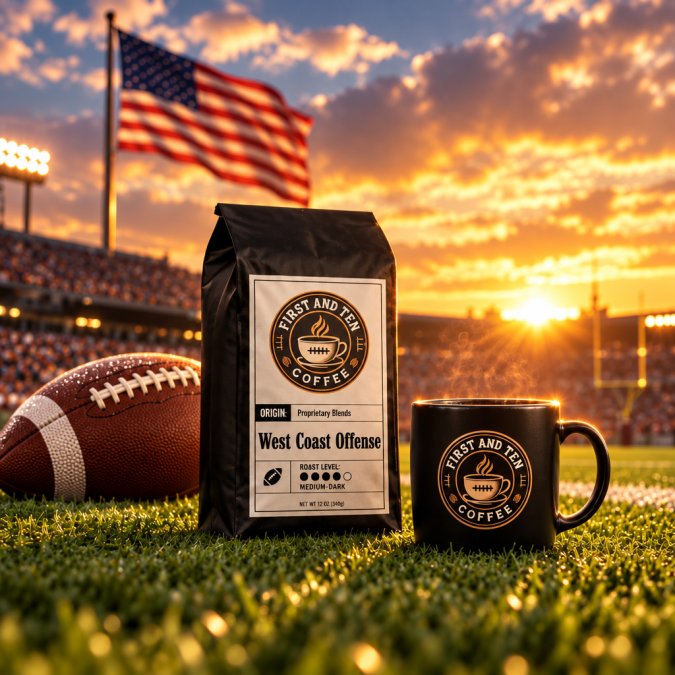
First and Ten Coffee roasts every order after you place it, so the bag that lands on your porch is fresh. For the deeper explanation of why roast-to-order freshness wins, read our full breakdown. The lineup covers blends and single origins: Grumpy Rachel ($21.99) balances brightness and depth, Draft Pick ($21.99) pulls sweet espresso from Central American and African beans, and West Coast Offense ($21.99) is a smooth medium breakfast blend. Single origins like Uganda ($21.99) bring floral and dark-fruit notes, while Quick Snap ($24.99) gives you 30 instant servings for travel days. Pod drinkers can grab Split the Uprights ($69.99).
Best for: busy professionals who want a fresh, verifiable roast date and a simple ordering flow. Skip if: you want a rotating global tour in every box.
Atlas Coffee Club: Single-Origin World Tour
Atlas built its name on a traveling format: each delivery highlights one country's coffee, with tasting notes and brewing guidance included. It suits drinkers who treat coffee as exploration rather than routine. The trade-off is control. You get the featured origin, not a menu.
Best for: curious drinkers who like surprises. Skip if: you've found your forever roast.
Trade Coffee: The Matchmaking Marketplace
Trade works as a marketplace, matching you to beans from dozens of roasters based on a quiz. Forbes Vetted's 2026 subscription testing named Trade its best overall pick, citing variety and customization. That breadth is real, but it also means quality varies by roaster, and the roast date depends on who ships.
Best for: drinkers who want to sample widely. Skip if: you want one consistent roaster accountable for every bag.
Coffee Subscription Comparison: Price, Freshness, and Flexibility
The table below puts each service on the same footing: what you pay, what you get for that money, how fresh the beans are when they arrive, and how easily you can change or stop the plan. Where a service prices by plan rather than by bag, we show the entry plan and the effective cost per ounce so you can compare like with like.
| Service | Effective Cost per Ounce | Freshness Model | Shipping and Minimums | Flexibility | Best For |
|---|---|---|---|---|---|
| First and Ten Coffee | About $1.83/oz | Roasted to order after purchase | Flat-rate shipping; no minimum beyond one bag | Simple ordering; pause or adjust between shipments | Freshness-first home brewers |
| Atlas Coffee Club | Roughly $1.50-$2.00/oz depending on plan tier | Rotating featured origin per delivery | Shipping included on most plans; subscription required | Fixed featured origin; skip or cancel per terms | Explorers who want a guided tour |
| Trade Coffee | Roughly $1.33-$2.00/oz | Depends on the partner roaster's roast schedule | Shipping varies by roaster; some offer free shipping over a threshold | Quiz-based matching; intervals of 7, 10, 14, 21, or 28 days | Samplers who want breadth |
| The Bean Coffee Company (reference) | Compare against your current bag's per-ounce price | Small-batch organic roasts; check the printed roast date | Order minimums and shipping terms set by the roaster | Subscription terms set by the roaster | Existing customers benchmarking a switch |
Three practical rules fall out of that table:
- Do the per-ounce math before you compare bags. A $21.99 12 oz bag is about $1.83 per ounce. A $16 12 oz bag from a marketplace roaster is about $1.33 per ounce. The gap is real, but so is the difference in roast-to-order freshness, decide which one you are actually paying for.
- Check what shipping adds. A low bag price with paid shipping can erase the savings on a single-bag order. Order two bags at a time only if you will finish them within the roaster's recommended window after the roast date.
- Read the pause and cancel terms before checkout. Interval options of 7, 10, 14, 21, or 28 days are common, but the ability to skip a shipment without penalty varies. A plan you cannot pause is a plan you will cancel.
For a parallel roundup of other options, see our guide to the best alternatives to Fresh Roasted Coffee.
Coffee Subscriptions With Customizable Delivery
Delivery flexibility is where subscriptions live or die. Trade Coffee offers intervals of 7, 10, 14, 21, or 28 days, and Mistobox goes further with even more frequency options, per Serious Eats. If you travel for work or drink less some months, pick a service that lets you pause or stretch the schedule without penalty.
If your schedule is genuinely irregular, our coffee subscription flexibility guide for travelers covers the pause-and-resume mechanics in detail.
Atlas Coffee Club vs Trade Coffee: Which Fits Your Routine?
Atlas Coffee Club wins if you want a curated single-origin story each month and don't mind ceding control. Trade Coffee wins if you'd rather answer a quiz and get matched to a roaster you might never have found.
The real question is what you do at 6 a.m. If you want the same reliable cup every morning, a roaster that ships direct beats a marketplace every time.
Matching a Coffee Alternative to Your Morning Routine
Most roundups mix home drinkers, gift buyers, office managers, and restaurant buyers into one list. That is why so many recommendations miss. The right alternative depends on who is drinking, how often, and how the coffee gets brewed. Use the four buyer profiles below to narrow the field before you compare prices.
Home brewers who want one reliable cup
Match the bean to your brew method, not the marketing copy.
- Espresso: Look for sweet, dense blends with chocolate and caramel notes that hold up under pressure. First and Ten Coffee's Draft Pick ($21.99) is built for this, Central American and African beans pulled for sweetness rather than sharp acidity.
- Pour-over and drip: Single origins with clear acidity and a defined finish work best. Floral, dark-fruit profiles like First and Ten Coffee's Uganda ($21.99) reward a slower brew. A smooth medium breakfast blend such as West Coast Offense ($21.99) suits drip drinkers who want consistency over novelty.
- Pod machines: Capsule compatibility is the deciding factor. Split the Uprights ($69.99) covers pod drinkers who do not want to change equipment.
If you want brightness and depth in one bag, Grumpy Rachel ($21.99) is the generalist pick. Our guide to the best coffee beans for your morning routine maps beans to brew methods in more detail.
Gift buyers
Gifts reward story and presentation more than repeatability. A rotating single-origin club such as Atlas Coffee Club gives the recipient a new country each delivery, with tasting notes and brewing guidance included, a better fit for a one-off gift than a subscription the recipient has to manage. If you know the recipient's brew method, a single roast-to-order bag from a direct roaster is the safer choice, because it arrives fresh and does not commit them to a plan.
Office and breakroom buyers
Offices need consistency, volume, and a predictable reorder schedule. Prioritize roasters that publish clear per-bag pricing, offer reliable delivery intervals, and let an administrator pause during holiday weeks. Whole-bean bags in the 12 oz range work for small teams; larger offices should confirm whether the roaster offers bulk sizing or business accounts before committing. Freshness matters more here than variety, a rotating origin club creates complaints when the breakroom favorite disappears.
Restaurants and food-service buyers
Food-service buyers should ask three questions before signing: What is the minimum order? What is the cost per pound at volume? And can the roaster hold a consistent flavor profile across shipments? Marketplaces that route orders through many partner roasters make consistency harder to guarantee, because the roast date and the roaster both change. A direct roaster that roasts to order is easier to hold accountable when a menu depends on the same cup every service.
A quick decision path
- Identify the primary drinker: one person, a gift recipient, a team, or a menu.
- Match the brew method to a roast level and tasting profile.
- Confirm the freshness model: roast-to-order or warehouse stock.
- Compare cost per ounce after shipping, not the sticker price.
- Check pause, skip, and cancel terms before checkout.
Run those five steps and the shortlist usually collapses to one or two services, which is the point. A focused choice beats a long list of maybes.
Build Your First Order With First and Ten Coffee
Start with one bag, not a case. Order a blend that matches how you brew, note the roast date when it arrives, and let the first cup tell you whether the switch was worth it. If freshness is the reason you left your old roaster, roast-to-order is the fix. First and Ten Coffee roasts after you order, sources beans from trusted farms, and delivers straight to your door.
Frequently Asked Questions
Which coffee subscriptions offer freshly roasted beans?
Look for roasters that print a roast date on the bag and ship within days of roasting. First and Ten Coffee roasts to order so the beans reach you at peak flavor, and its lineup includes single-origin options like Ethiopia Natural and Peru alongside blends. When comparing coffee alternatives, check whether the roaster states a roast date or only a best-by date, since that tells you how fresh the beans really are.
What should I look for when comparing coffee subscription services?
Start with four things: roast date transparency, delivery frequency options, whether you can choose roast level or origin, and total cost per bag. A coffee subscription comparison should also weigh whether the service lets you skip or pause shipments. Serious Eats notes that Trade Coffee offers delivery intervals of 7, 10, 14, 21, or 28 days, while Mistobox offers even more frequency choices, so schedule flexibility varies widely between services.
Can I choose the roast level in a coffee subscription?
Many services let you set a roast preference, but the range differs. First and Ten Coffee gives you direct control by listing each coffee's roast level, from the medium West Coast Offense breakfast blend to the medium-light Ethiopia Natural and the medium Peru. If roast level matters to you, pick a service that names the roast on every product page rather than one that only asks a quiz question at signup.
How often should a coffee subscription deliver?
Match the schedule to how much you actually brew. A single 12-ounce bag lasts most households one to three weeks, so a 14- or 28-day interval suits lighter drinkers while daily espresso users may want weekly delivery. Coffee subscriptions with customizable delivery let you adjust as your habits change. If you travel often, choose a service that allows skipping a shipment rather than one with a fixed schedule.
