

Premium Coffee Beans Delivered Home: 10 Fresh Picks
Table of Contents
- Why Premium Coffee Beans Delivered Home Beat Supermarket Bags
- The 10 Best Whole Bean Coffee for Home Brewing
- Coffee Roast Levels Explained: Light, Medium, and Dark
- How to Store Coffee Beans So They Stay Fresh
- Coffee Bean Subscription Delivery: Frequency, Flexibility, and Shipping
- Whole Bean vs. Pre-Ground: What to Order for Your Brew Method
- Pricing and Value: What $21.99 Per Bag Actually Buys You
- Which Bag Should You Pick?
- Frequently Asked Questions
Last Updated: October 20, 2026
Why Premium Coffee Beans Delivered Home Beat Supermarket Bags
The bag on the supermarket shelf is older than you think. Coffee is a fresh food, and by the time a premium coffee beans delivered home order lands at your door, most grocery bags have already spent weeks in transit and on a shelf.
At First and Ten Coffee, we roast to order because freshness is the one variable you cannot fix later. Grind size, water temperature and technique all matter, but none of them rescue beans that peaked before you opened the bag.
The Roast-Date Test
Here is the simplest test in coffee: find the roast date on the bag. Not a "best by" date, not a lot code. An actual roast date.
Supermarket bags rarely carry one, which tells you something. Specialty coffee roasters print it because fresh flavor has a short window. If a bag gives you no way to check its age, assume the worst.
The 10 Best Whole Bean Coffee for Home Brewing
This is our own lineup, and we will say so plainly: every bag is $21.99 and roasted to order. The best whole bean coffee for home brewing depends on what you drink and how you brew it, so pick by flavor profile rather than by hype.
Single-Origin Picks
Single-origin coffee comes from one growing region, which makes its flavor profile easier to trace and often more distinct.
- Ethiopia Natural ($21.99, medium-light): milk chocolate, fruity, caramel. The most aromatic cup in the lineup, and our pick for pour-over.
- Kenya ($21.99): bright acidity, orange, lemon, floral. Effervescent and lively, ideal if you like a wake-up jolt of citrus.
- Peru ($21.99, medium): salted caramel, silky sweet, citrus. A balanced, crowd-pleasing single origin.
Blend Picks
Blends combine origins to build a specific, repeatable cup.

- Draft Pick ($21.99): a sweet blend from Central America and Africa, built for sweet espresso.
- Grumpy Rachel ($21.99): a post-roast blend with brightness and depth in equal measure.
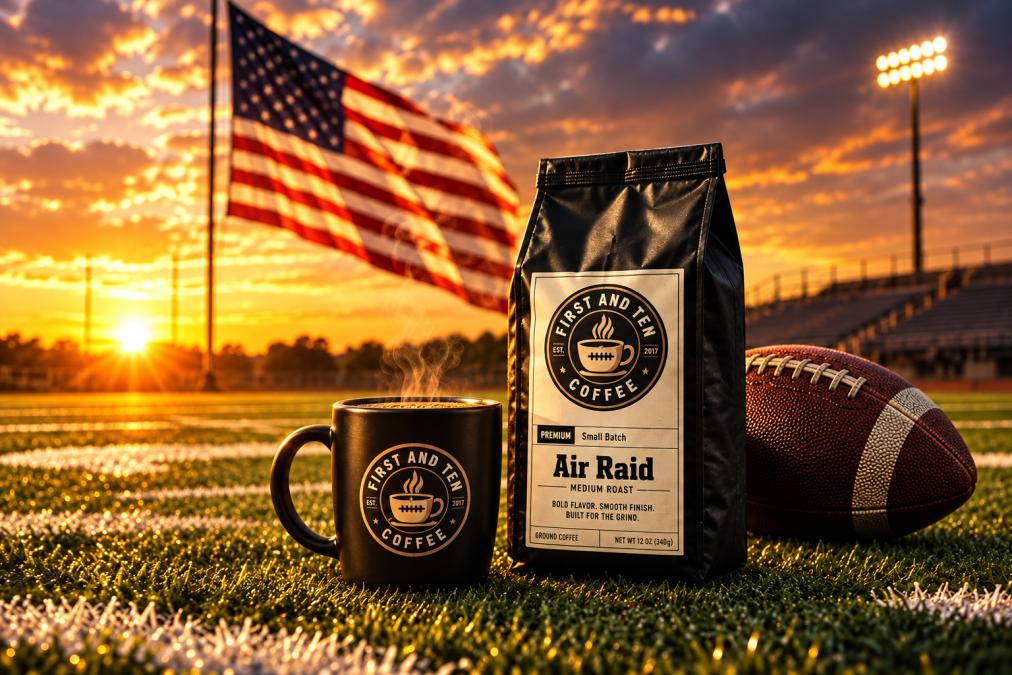
Coffee Roast Levels Explained: Light, Medium, and Dark
Roast level is the single biggest lever on flavor. Coffee roast levels explained simply: lighter roasts keep more of the bean's origin character, medium roasts balance sweetness and body, and dark roasts push toward chocolate and smoke.
- Light roast: brighter acidity, more fruit and floral notes, less body.
- Medium roast: sweeter, rounder, balanced. Most of our single origins sit here.
- Dark roast: heavier body, deeper chocolate and caramel, lower acidity.
Our medium-light Ethiopia Natural and our medium-dark Honduras show the range. Neither is "better." They suit different palates and different brew methods.
How to Store Coffee Beans So They Stay Fresh
How to store coffee beans matters more than most gear upgrades. Keep whole beans in an airtight container, away from light, heat and moisture, at room temperature. Skip the fridge and the freezer for daily-use beans.
Buy in two-to-three-week quantities and grind right before brewing. Oxygen, light and heat are the three enemies, and a sealed bag in a cool cupboard defeats all three.
Coffee Bean Subscription Delivery: Frequency, Flexibility, and Shipping
A coffee bean subscription delivery should fit your drinking habits, not the other way around. The useful way to evaluate one is to work backward from your consumption: how many ounces of whole beans you brew per week, how many days after roasting you want the bag in hand, and what the all-in cost per cup looks like once shipping is included.
Start with your weekly intake
A common pattern is roughly 1 ounce of whole beans per 12-ounce mug, so a 12-ounce bag yields about 12 brewed cups. If you drink two mugs a day, that is about 14 ounces a week, or roughly one 12-ounce bag every six days. Most subscribers land on a two-week or four-week cadence and adjust from there.
The freshness clock: roast date, ship date, arrival date
Freshness is the variable competitors mention but rarely define. A workable standard to hold any roaster to:
- Roast date printed on every bag, not a best-by date, not a lot code.
- Ship within one to two business days of roasting, beans rest a day or two after the roast, then travel.
- Arrive within two to five business days for standard ground shipping in the contiguous states.
If a roaster cannot tell you when a bag was roasted and when it shipped, treat the freshness claim as marketing. A roast-to-order operation roasts after you order, so the bag you open is days old, not weeks.
Shipping terms to confirm before you commit
Delivery is the core of this query, so get the mechanics in writing:
- Shipping cost and threshold, whether flat-rate, free above a cart minimum, or included in the subscription price.
- Carrier and speed, USPS, UPS, or FedEx, and whether expedited options exist.
- Coverage, whether the roaster ships to all states, including Alaska and Hawaii, and any surcharges.
Flexibility: pause, skip, swap, cancel
A subscription should bend to your life. Before subscribing, confirm four things: can you pause without a fee, can you skip a single shipment, can you swap the coffee or change grind, and can you cancel without a penalty or a minimum number of shipments. Travel months and slow-drinking months are normal; a locked-in plan that punishes them is a bad fit no matter how good the coffee is.
| Subscription Question | What to Look For | Why It Matters |
|---|---|---|
| Delivery frequency | Two- or four-week cadence matched to weekly intake | Avoids stale stockpiles and gaps |
| Roast-to-ship timing | Ships within one to two business days of roast | Bag arrives inside peak window |
| Shipping cost | Clear flat rate or free threshold | Predictable total price per bag |
| Coverage | All states, with AK/HI terms stated | No surprise surcharges |
| Pause or skip | Allowed without fees | Handles travel and slow months |
| Cancel terms | No penalty, no minimum | Keeps you in control |
| Roast date | Printed on every bag | Proof of freshness |
A note on grind and subscription
If you own a burr grinder, subscribe to whole bean and grind right before brewing. If you do not, ask whether the roaster will grind to your brew method at no extra charge and ship in smaller bags, since pre-ground coffee fades faster once the bag is open.
Whole Bean vs. Pre-Ground: What to Order for Your Brew Method
Order whole beans if you own a grinder; order pre-ground only if you do not. That is the short answer. The longer answer is about surface area: grinding exposes the bean's interior to oxygen, and the finer the grind, the faster the aromatics escape. Whole beans stay fresh for weeks; pre-ground coffee is best within days of opening.
Match the grind to your brewer
Grind size controls how fast water extracts flavor. Too coarse and the cup tastes weak and sour; too fine and it turns bitter and muddy. A practical starting chart:
| Brew Method | Grind Size | Texture Reference | Typical Brew Time |
|---|---|---|---|
| French press | Coarse | Sea salt | 4 minutes steep |
| Drip / automatic | Medium | Table salt | 4-6 minutes |
| Pour-over | Medium-fine | Fine sand | 2-4 minutes |
| Espresso | Fine | Powdered sugar | 25-30 seconds |
| Cold brew | Coarse | Sea salt | 12-18 hours |
Start at the chart, then adjust one variable at a time. If the cup is sour and thin, grind finer or steep longer. If it is bitter and drying, grind coarser or shorten the brew.
Match the bean and roast to the method
Grind is only half the match. Bean type and roast level change how a method performs:
- Espresso rewards blends and medium-to-medium-dark roasts that hold up to pressure and milk. A sweet Central America and Africa blend like Draft Pick is built for this.
- Pour-over flatters light and medium-light single origins where acidity and aroma read clearly, Ethiopia Natural and Kenya are the obvious starting points.
- French press suits medium and medium-dark roasts with body, such as Guatemala, Sumatra, or Honduras, because the metal mesh lets oils through.
The trade-offs, plainly
Whole bean wins on freshness and lets you dial grind per method, but it requires a burr grinder, a blade grinder produces uneven particles and a muddy cup. Pre-ground wins on convenience and needs no equipment, but it fades faster, so buy in smaller bags, reseal tightly, and store away from light and heat. If you brew more than one method, whole bean plus a grinder is the more flexible long-term buy.

Pricing and Value: What $21.99 Per Bag Actually Buys You
Every bag in our lineup is $21.99, and that price buys roast-to-order freshness, a printed roast date, and beans sourced from named farms and cooperatives. The premium over a supermarket bag pays for the part of coffee you can actually taste.
Value here is not about the lowest price per ounce. It is about how much of the bag you drink at its peak.
Which Bag Should You Pick?
Pick by brew method and palate. Pour-over drinkers should start with Ethiopia Natural or Kenya for brightness. Drip and French press drinkers are well served by Colombia, Guatemala or Sumatra.

Still unsure? Start with a medium roast single origin, then branch out once you know whether you lean bright or bold. Either way, check the roast date the moment the box arrives.
Frequently Asked Questions
Are freshly roasted premium coffee beans better than store-bought beans?
Freshly roasted beans reach their best flavor roughly 4 to 14 days after the roast date, then fade. Supermarket bags often sit for weeks or months before you open them, and many carry only a best-by date. Ordering premium coffee beans delivered home means the roast date is recent and printed on the bag, so you brew during the window when the beans still have their aroma and sweetness. Check the roast date before you buy, not the expiration date.
How often should I order coffee beans for home?
A common rhythm is one bag every two to four weeks, depending on how much you brew. A 12-ounce bag yields about 12 brewed cups, so a daily single-cup drinker finishes one in about three weeks. If you drink two cups a day, order every two weeks. A coffee bean subscription delivery lets you set that cadence once and adjust it when your schedule changes, which beats remembering to reorder.
Should I buy whole-bean or pre-ground coffee?
Whole beans keep their flavor longer because the oils and aromatics stay sealed inside the bean. Ground coffee stales within days of grinding. If you own a burr grinder, order whole beans and grind right before brewing. If you do not, ask for a grind matched to your method: coarse for French press, medium for drip, fine for espresso. Buy smaller bags of pre-ground coffee so you finish them while they are still fresh.
How do I choose premium coffee beans for home brewing?
Start with your brew method and taste preference, then match the roast level. Light and medium roasts suit pour-over and drip, where brighter fruit and caramel notes come through. Medium-dark and dark roasts hold up in espresso and French press. Look for a printed roast date, a named region or farm, and a tasting profile that sounds appealing. Buying single-origin bags lets you compare regions, while blends give you a consistent everyday cup.
What is the best way to store coffee beans after delivery?
Keep beans in an airtight, opaque container at room temperature, away from the stove, oven, and sunlight. Heat, light, moisture, and oxygen are the four things that stale coffee fastest. Do not move beans to the fridge or freezer for daily use, since condensation forms each time you open the container. Buy bags sized to what you drink in two to three weeks, and keep the bag sealed with the degassing valve intact until you open it.
Finding beans that are actually fresh should not be a scavenger hunt. First and Ten Coffee roasts every order to spec, prints the roast date, and ships premium coffee beans delivered home so your first cup of the day starts strong. Browse the single origins and blends, pick your roast level, and let the doorstep delivery handle the rest.